


Barclays criticised over research note ‘highlighting opportunities’ of super El Nino
Barclays criticised over research note ‘highlighting opportunities’ of super El Nino

Nick FerrisTue, July 28, 2026 at 9:01 AM UTC
0
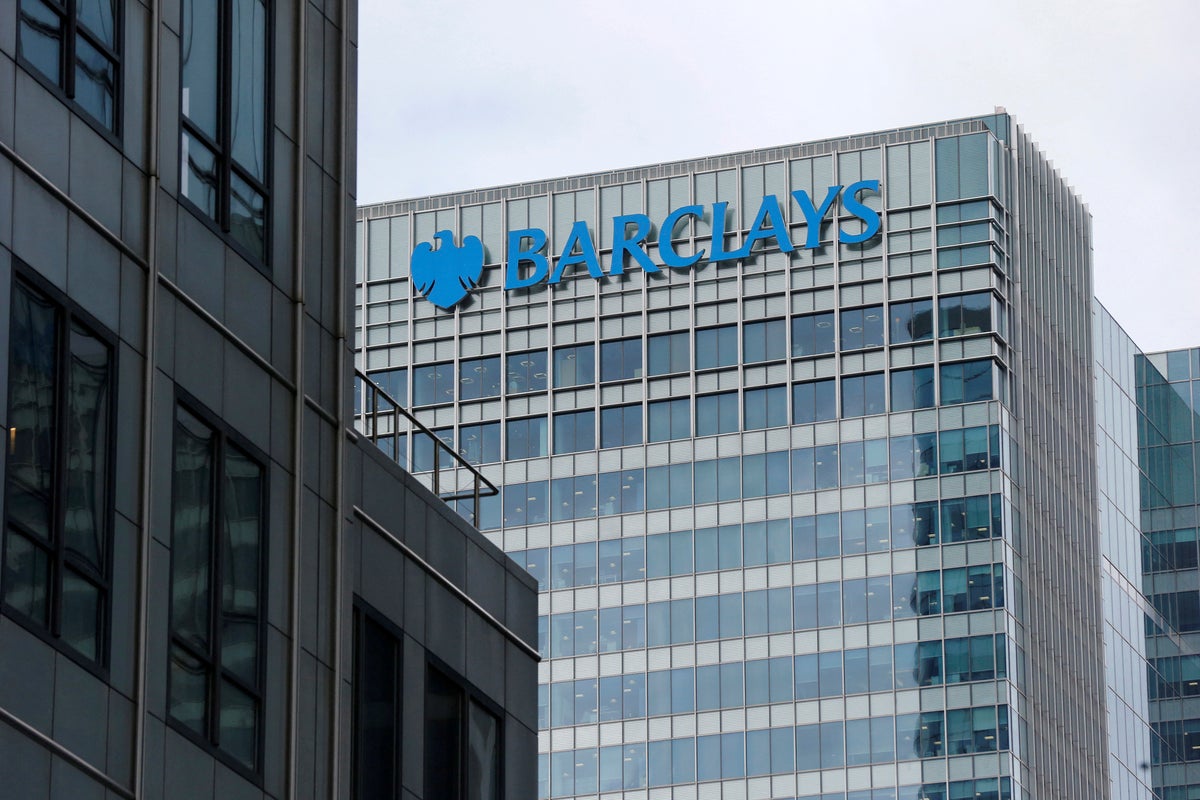
Barclays has appeared to highlight “opportunities” to profit from the coming super El Niño - a devastating climate event that could drive a food crisis impacting more than 100 million people - in a note sent by its independent research arm to investors.
Countries across the Global South are bracing for the super El Niño, which is set to pose a critical threat to the world’s 500 million small-holder farmers, while also creating serious health challenges for women and girls.
Populations already battling food crises and poverty are likely to be among the worst hit. Up to 125 million people are expected to need urgent food aid by December – with risks of famine in Sudan, South Sudan and Somalia – according to the Famine Early Warning Systems Network.
But critics say the Barclays Research note – seen by The Independent and the Bureau of Investigative Journalism – appears to suggest that investors can make a profit from the coming disruptions to global weather patterns, which is triggered by unusually warm sea surface temperatures in the Pacific Ocean.
“For investors, a very strong El Niño should be viewed as a source of market dispersion rather than a uniformly negative shock,” says the research note.
“While a stronger El Niño creates risks for some sectors and regions, it also creates opportunities, with historical events often driving significant price movements for weather-sensitive markets.”
The note from Barclays Research comes as a recent report claims that Barclays is also Europe’s biggest funder of fossil fuel companies, channeling $17.6bn (£13.2bn) into companies increasing production of coal, oil and gas last year.
The burning of fossil fuels is the reason for around 90 per cent of human-produced carbon dioxide emissions, which are what has led to the climate crisis that is in turn driving this year’s super El Niño to such devastating extremes, scientists say.
In response to the note, Green MP Adrian Ramsay for Waveney Valley said: “It is grotesque that Barclays, having pumped billions into coal, oil and gas expansion, is now looking at a global food crisis being deepened by climate breakdown and seeing a trading opportunity.
“This is the logic of a financial system that has completely lost sight of what it exists for. People are facing real hunger and rising food prices, including here in the UK, while some of the biggest banks look for ways to profit from the chaos they helped create.”
A Green Party spokesperson added that people should “vote with their feet, stand up to Barclays’ corporate greed, and withdraw their accounts”.
Advertisement
Jeanne Martin, head of the banking programme at campaigning non-profit ShareAction, said: “As the climate crisis drives more frequent and severe shocks to food systems, the real question is why so much of the financial sector remains focused on profiting from disruption rather than addressing its root causes.”
She added that while “communities in the Global South bear the brunt of increasingly severe climate impacts”, much of the global financial system “continues to finance the fossil fuel expansion driving them”.
In response to claims made in this article, a Barclays spokesperson said: “Any suggestion that Barclays seeks to benefit from human suffering is wrong. Barclays recognises that climate change and extreme weather events can have serious consequences for communities around the world.”
They added that the bank provides independent analysis for investors and that this research “does not make a moral judgment on El Niño, climate change or food security issues; it assesses the potential impact of these developments on markets”.
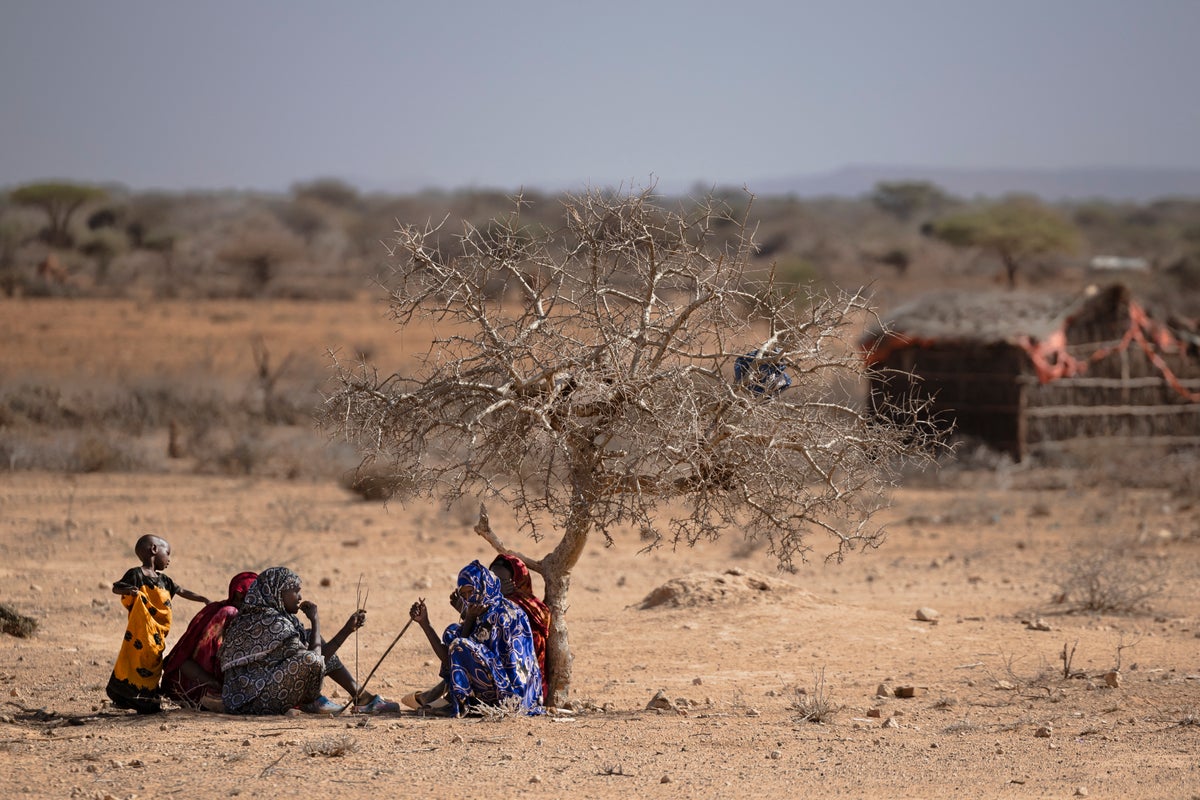
Women seek shelter from the morning sun in drought-hit Northern Kenya earlier this year. Kenya is among the countries in Sub-Saharan Africa set to be hit by the super El-Niño this year (AFP/Getty)
Fragile and conflict-affected countries in Africa are set to be particularly vulnerable to the super El Niño as the weather event comes following a year and a half of devastating foreign aid cuts from countries including the US and UK, which resulted in overall foreign aid fall by 23 per cent between 2024 and 2025.
Broadly speaking, El Niño is expected to bring heavier rainfall to parts of equatorial East Africa, while increasing the risk of severe drought across much of southern Africa.
UN food agencies launched a $202m appeal to shield 8.8 million people from El Niño via “anticipatory action” interventions ahead of possible climate shocks, which could include both early warning systems and cash transfers to farmers.
“With El Niño on the horizon, we have a narrow window to act so families are not forced into impossible choices later,’ said Carl Skau, World Food Programme acting executive director. “We cannot afford the fallout of another food crisis.”
Earlier in July, Walter Mwasaa, the regional director for CARE International in East and Southern Africa also warned that it is women and girls who are set to bear the brunt of the crisis.
“As with war, and as with Ebola, it is women in communities who are going to struggle the most,” he said. “In both rural and urban areas, it is they who will face the biggest health challenges, and also they who bear the burden of taking care of families and households.”
CARE is preparing its response to the super El Niño as it grapples with severely reduced budgets, with CARE’s East and Southern Africa budget expected to fall from around $250m in 2024 to just $140m for the 2027 financial year, said Mr Mwasaa.
This article has been produced as part of The Independent’s Rethinking Global Aid project
Source: “AOL Money”
